
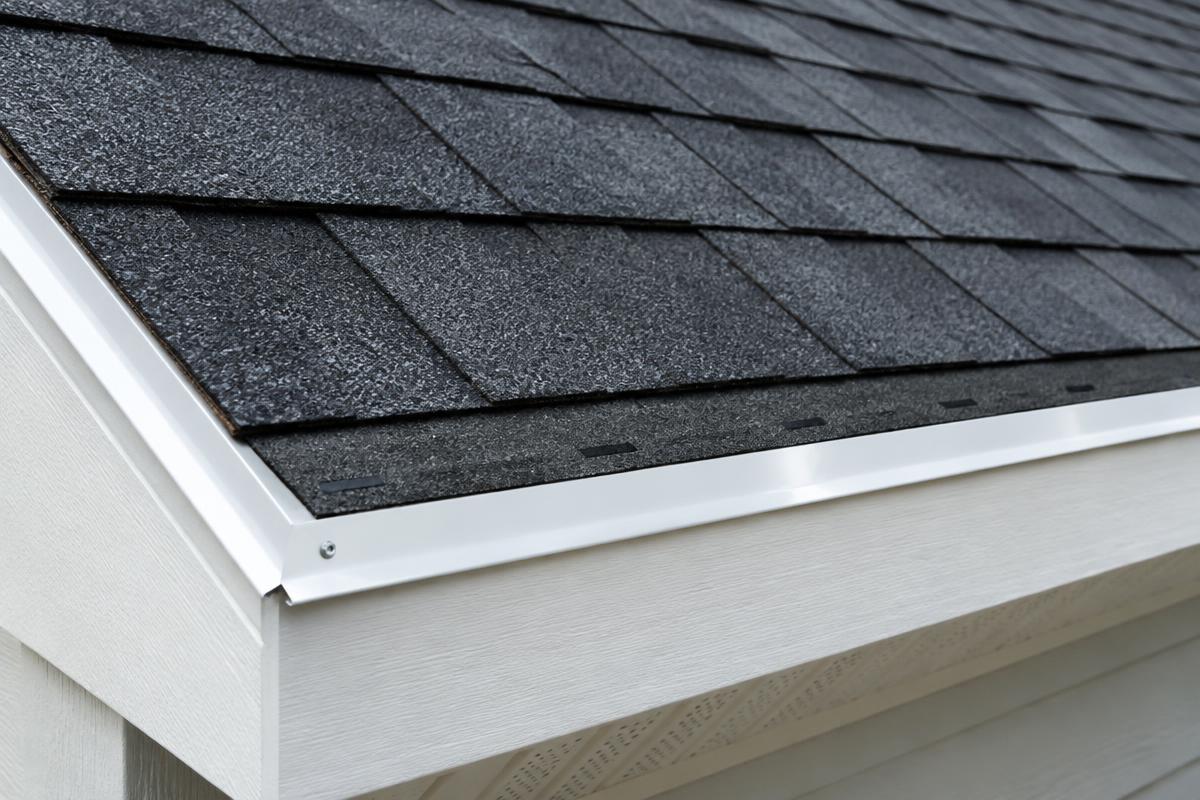
Heavy summer rain and storms test an older roof's shingles, flashing and underlayment, and repeated storms can turn small weak spots into leaks.
Summer rain on the Grand Strand
Summers on the South Carolina coast often bring heavy afternoon storms. Each storm sends a lot of water across your roof in a short time.
Where older roofs struggle
As shingles age, they can lose granules, curl or crack. Flashing around chimneys and vents can loosen. These weak spots give water a way in, and the underlayment is the next layer it reaches.
Small problems grow
A small weak spot may not show up right away. Repeated storms can let water reach the decking and the inside of the home over time.
What to do
Watch for stains, damp spots and worn shingles, and have an older roof looked at. Learn more about underlayment and flashing.
Talk with Tabor Homes about your roof
Learn more about underlayment and flashing or request an estimate. Call (855) 628-3478 to talk with David Jimison about your home in Horry or Georgetown County.
Frequently asked questions
Why does heavy rain matter for an older roof?
Worn shingles and loose flashing give water more ways in.
What should I watch for?
Stains, damp spots and worn or missing shingles.